
Unraveling the fascinating history of gambling through the ages
The Origins of Gambling
The practice of gambling dates back to ancient civilizations, with evidence suggesting that dice and betting games were common in Mesopotamia around 3000 BC. Archaeological discoveries reveal that the earliest forms of gambling were not just casual pastimes but deeply embedded in cultural and social practices. In many cultures, such games were often linked to religious ceremonies and rites, showing that luck and fate played significant roles in daily life. Modern online gaming platforms, such as BetScore casino, contribute to the enduring fascination with these games.
As time progressed, the art of gambling evolved. The ancient Chinese developed their own version of games of chance, where they would bet on the outcomes of various events. The invention of paper and playing cards in China around the 9th century further revolutionized gambling, leading to the creation of card games that would later spread across Asia and into Europe. By the time they reached European shores, these games had been adapted and redefined, often reflecting the unique cultural backgrounds of the regions they entered.
In Europe, gambling became more institutionalized during the Middle Ages. The establishment of casinos and betting houses made it easier for people to engage in games of chance, and this shift marked a significant turning point. The social aspect of gambling also flourished, as it became a favored activity among the aristocracy and the wealthy, who saw it as both entertainment and a means of showcasing their fortunes. These early establishments laid the groundwork for the modern casinos we know today.
The Rise of Casinos in Modern Society
The 17th and 18th centuries marked a golden era for gambling, particularly with the rise of casinos in Europe. Venice, a hub of trade and culture, became famous for its gambling establishments, attracting visitors from across the continent. The allure of these venues stemmed from not only the games offered but also the lavish environments and social gatherings they facilitated. The notion of a casino became synonymous with luxury and excitement.
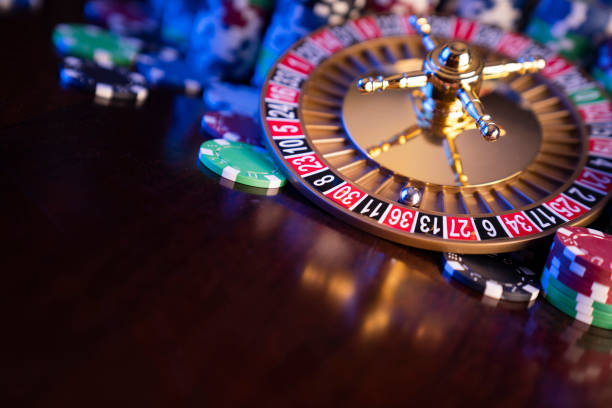
With the legalization of gambling in various regions, particularly in France, the game of roulette was developed, which became a staple in casinos. The designs of these games, based on chance, showcased the relationship between luck and skill. As the popularity of gambling grew, the competition among casinos intensified, leading to the introduction of various game variations and betting styles to attract more players.
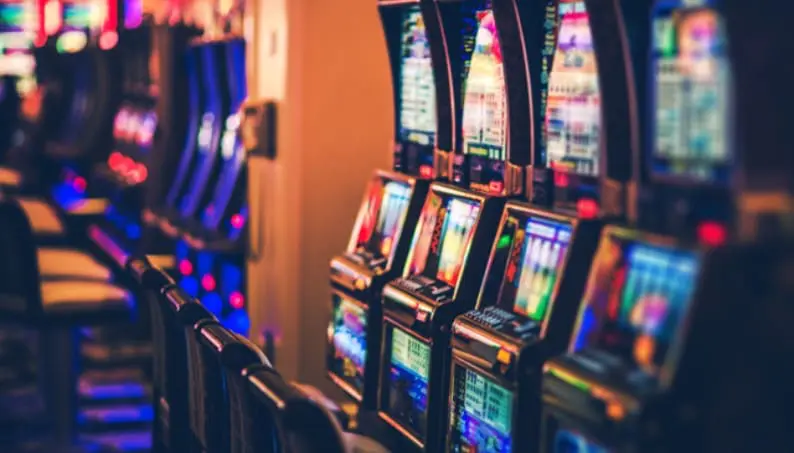
By the 19th century, gambling had transcended the boundaries of Europe and made its way to the United States. The establishment of gaming venues in New Orleans and later in Las Vegas transformed the American landscape of gambling. The concept of casinos became integral to American culture, symbolizing both the allure of the ‘American Dream’ and the unpredictability of fortune. With the introduction of slot machines in the early 20th century, the democratization of gambling reached new heights, allowing more people to participate regardless of their financial status.
The Influence of Technology on Gambling
The advent of technology in the late 20th and early 21st centuries dramatically transformed the gambling landscape. The introduction of online casinos in the 1990s opened up a new realm of possibilities for players. For the first time, individuals could access their favorite games from the comfort of their homes, leading to an explosion in the popularity of online gambling. This shift not only made gambling more accessible but also introduced new dynamics, where strategies involving skill and luck had to adapt to digital formats.
As technology progressed, so did the sophistication of gambling platforms. Mobile gaming has surged in popularity, allowing players to engage in betting at any time and from anywhere. The rise of apps and mobile-friendly websites has made it easier for users to enjoy casino games and sports betting on the go. Live dealer games, which offer a real-time casino experience, further enhance the online gaming experience, creating an interactive environment that was previously only available in physical venues.
Moreover, advances in data analytics and artificial intelligence are now influencing how games are designed and marketed. Understanding player behavior allows operators to tailor offerings to individual preferences, blending luck with personalized gaming experiences. The fusion of technology and gambling continues to shape the industry, illustrating the evolving relationship between human skill, chance, and the digital world.
The Cultural Impact of Gambling
Gambling has long been an integral part of cultural narratives, often reflecting societal values and attitudes towards risk and fortune. From literature to film, gambling serves as a compelling plot device that explores human nature, ambition, and the consequences of luck. Iconic works, such as Dostoevsky’s “The Gambler” and countless Hollywood films, illustrate the complex emotional and moral dimensions associated with gambling.
In many cultures, gambling has been both celebrated and condemned. For some, it represents a source of excitement and a break from routine, while for others, it symbolizes vice and moral decline. This dichotomy has influenced policies and regulations surrounding gambling, where some countries embrace it as a legitimate form of entertainment, while others impose strict prohibitions, reflecting the ongoing debate about the role of luck versus skill in gambling.
Moreover, gambling’s social implications are profound. It often serves as a means of bonding among friends and family, creating shared experiences and memories. Community events centered around betting, such as horse racing or casino nights, foster a sense of camaraderie. However, the darker aspects of gambling, including addiction and financial hardship, have prompted discussions about responsible gambling and the need for support systems to help those in need, emphasizing the need for balance between entertainment and responsible engagement.
Experience Gambling Like Never Before with BetScore
As the gambling industry continues to evolve, platforms like BetScore offer a premier online casino experience tailored for players in New Zealand. With an impressive welcome bonus and a diverse range of gaming options, BetScore embodies the best of modern gambling while maintaining a commitment to user-friendly navigation and secure banking. This platform caters to both casual players and serious gamblers, ensuring that everyone finds something that suits their preferences.
BetScore stands out not just for its array of games, including slots and live casino experiences, but also for its focus on customer support. With 24/7 assistance, players can enjoy peace of mind while engaging in their favorite activities. The interactive environment created by BetScore brings together the excitement of traditional casinos with the convenience of modern technology, making it a go-to destination for those looking to explore the fascinating world of gambling.
In conclusion, as we unravel the rich history of gambling through the ages, platforms like BetScore signify the future of this age-old practice. The blend of luck and skill, the integration of technology, and the cultural narratives surrounding gambling continue to evolve, promising an exciting future for enthusiasts around the globe. Whether you’re a seasoned player or a newcomer, BetScore offers a safe and thrilling space to experience gambling like never before.
Leave a comment
You must be logged in to post a comment.